Coleção 102+ Dart Navigator Push. To push a new route on the stack, we can create an instance of materialpageroute with a builder function that creates a widget that you want to show on the screen. Push the given route onto the navigator that most tightly encloses the given context. 03.11.2021 · so in case of flutter, when we navigate to another screen, we use the push methods and navigator widget adds the new screen onto the top of the … 19.07.2020 · i have several register forms with next buttons and i would like to switch between the different screens with ontap: Navigate to the second route using navigator.push() to switch to a new route, use the navigator.push() method.

Mais legal Flutter Navigator 2 0 And Deep Links Raywenderlich Com
Now to get this route, we can use materialpageroute or we can create our own route. To push a new route on the stack, we can create an instance of materialpageroute with a builder function that creates a widget that you want to show on the screen. The new route and the previous route (if any) are notified (see route.didpush and route.didchangenext).To push a new route on the stack, we can create an instance of materialpageroute with a builder function that creates a widget that you want to show on the screen.
Push a named route onto the navigator that most tightly encloses the given context. Navigate to the second route using navigator.push() to switch to a new route, use the navigator.push() method. => { navigator.push( context, materialpageroute( builder: Ongoing gestures within the current route are canceled when a new route is pushed. Push the given route onto the navigator that most tightly encloses the given context.

Push a named route onto the navigator that most tightly encloses the given context.. Push the given route onto the navigator that most tightly encloses the given context. To push a new route on the stack, we can create an instance of materialpageroute with a builder function that creates a widget that you want to show on the screen. The returned route will be pushed into the navigator. Ongoing gestures within the … The route name will be passed to the navigator.ongenerateroute callback... Ongoing gestures within the current route are canceled when a new route is pushed.

06.07.2020 · navigator.push() method pushes the given route onto the stack of routes which is maintained by navigator class... The removed route is notified once the new route has finished animating (see route.didcomplete). The animations for the pop and the push are performed simultaneously, so the route below may be briefly visible even if both the old route and the new route are opaque (see transitionroute.opaque). The navigator manages a stack of route objects and provides two ways for managing the stack, the declarative api navigator.pages or imperative api navigator.push and navigator.pop.. Push a named route onto the navigator that most tightly encloses the given context.

Push a named route onto the navigator that most tightly encloses the given context. The navigator manages a stack of route objects and provides two ways for managing the stack, the declarative api navigator.pages or imperative api navigator.push and navigator.pop.. The push() method adds a route to the stack of routes managed by the navigator.where does the route come from?

Ongoing gestures within the current route are canceled when a new route is pushed. The returned route will be pushed into the navigator. When your user interface fits this paradigm of a stack, where the user should be able to navigate back to an earlier element in the stack, the use of routes and the navigator is appropriate. The navigator manages a stack of route objects and provides two ways for managing the stack, the declarative api navigator.pages or imperative api navigator.push and navigator.pop. Now to get this route, we can use materialpageroute or we can create our own route. The new route and the previous route (if any) are notified (see route.didpush and route.didchangenext). 03.11.2021 · so in case of flutter, when we navigate to another screen, we use the push methods and navigator widget adds the new screen onto the top of the … 19.07.2020 · i have several register forms with next buttons and i would like to switch between the different screens with ontap: If the navigator has any navigator.observers, they will be notified as well (see navigatorobserver.didreplace). Push the given route onto the navigator that most tightly encloses the given context.. The new route and the previous route (if any) are notified (see route.didpush and route.didchangenext).if the navigator has any navigator.observers, they will be notified as well (see navigatorobserver.didpush).

Push the given route onto the navigator that most tightly encloses the given context... To push a new route on the stack, we can create an instance of materialpageroute with a builder function that creates a widget that you want to show on the screen. The removed route is notified once the new route has finished animating (see route.didcomplete). Push the given route onto the navigator that most tightly encloses the given context. The new route and the previous route (if any) are notified (see route.didpush and route.didchangenext).if the navigator has any navigator.observers, they will be notified as well (see navigatorobserver.didpush). Ongoing gestures within the … Ongoing gestures within the current route are canceled when a new route is pushed. 06.07.2020 · navigator.push() method pushes the given route onto the stack of routes which is maintained by navigator class. Push a named route onto the navigator that most tightly encloses the given context. => { navigator.push( context, materialpageroute( builder:. The push() method adds a route to the stack of routes managed by the navigator.where does the route come from?

If the navigator has any navigator.observers, they will be notified as well (see navigatorobserver.didpop and navigatorobserver.didpush).. 06.07.2020 · navigator.push() method pushes the given route onto the stack of routes which is maintained by navigator class. Ongoing gestures within the current route are canceled when a new route is pushed. => { navigator.push( context, materialpageroute( builder: Push a named route onto the navigator that most tightly encloses the given context. The new route and the previous route (if any) are notified (see route.didpush and route.didchangenext).if the navigator has any navigator.observers, they will be notified as well (see navigatorobserver.didpush). Push the given route onto the navigator that most tightly encloses the given context. If the navigator has any navigator.observers, they will be notified as well (see navigatorobserver.didreplace). Push the given route onto the navigator that most tightly encloses the given context.

To push a new route on the stack, we can create an instance of materialpageroute with a builder function that creates a widget that you want to show on the screen. .. Push a named route onto the navigator that most tightly encloses the given context.

Ongoing gestures within the ….. . When your user interface fits this paradigm of a stack, where the user should be able to navigate back to an earlier element in the stack, the use of routes and the navigator is appropriate.

Push the given route onto the navigator that most tightly encloses the given context. When your user interface fits this paradigm of a stack, where the user should be able to navigate back to an earlier element in the stack, the use of routes and the navigator is appropriate. The navigator manages a stack of route objects and provides two ways for managing the stack, the declarative api navigator.pages or imperative api navigator.push and navigator.pop. 06.07.2020 · navigator.push() method pushes the given route onto the stack of routes which is maintained by navigator class. Navigate to the second route using navigator.push() to switch to a new route, use the navigator.push() method. If the navigator has any navigator.observers, they will be notified as well (see navigatorobserver.didreplace). Ongoing gestures within the …. If the navigator has any navigator.observers, they will be notified as well (see navigatorobserver.didpop and navigatorobserver.didpush).

The navigator manages a stack of route objects and provides two ways for managing the stack, the declarative api navigator.pages or imperative api navigator.push and navigator.pop... The removed route is notified once the new route has finished animating (see route.didcomplete). The new route and the previous route (if any) are notified (see route.didpush and route.didchangenext). => { navigator.push( context, materialpageroute( builder: To push a new route on the stack, we can create an instance of materialpageroute with a builder function that creates a widget that you want to show on the screen. 03.11.2021 · so in case of flutter, when we navigate to another screen, we use the push methods and navigator widget adds the new screen onto the top of the … The push() method adds a route to the stack of routes managed by the navigator.where does the route come from? The navigator manages a stack of route objects and provides two ways for managing the stack, the declarative api navigator.pages or imperative api navigator.push and navigator.pop. If the navigator has any navigator.observers, they will be notified as well (see navigatorobserver.didreplace). If the navigator has any navigator.observers, they will be notified as well (see navigatorobserver.didpop and navigatorobserver.didpush).. The removed route is notified once the new route has finished animating (see route.didcomplete).

19.07.2020 · i have several register forms with next buttons and i would like to switch between the different screens with ontap: The push() method adds a route to the stack of routes managed by the navigator.where does the route come from? 03.11.2021 · so in case of flutter, when we navigate to another screen, we use the push methods and navigator widget adds the new screen onto the top of the … The navigator manages a stack of route objects and provides two ways for managing the stack, the declarative api navigator.pages or imperative api navigator.push and navigator.pop. Push the given route onto the navigator that most tightly encloses the given context. Ongoing gestures within the … The route name will be passed to the navigator.ongenerateroute callback. The new route and the previous route (if any) are notified (see route.didpush and route.didchangenext).if the navigator has any navigator.observers, they will be notified as well (see navigatorobserver.didpush). The returned route will be pushed into the navigator. When your user interface fits this paradigm of a stack, where the user should be able to navigate back to an earlier element in the stack, the use of routes and the navigator is appropriate. The new route and the previous route (if any) are notified (see route.didpush and route.didchangenext)... The returned route will be pushed into the navigator.

Push the given route onto the navigator that most tightly encloses the given context. The push() method adds a route to the stack of routes managed by the navigator.where does the route come from?. Push a named route onto the navigator that most tightly encloses the given context.

Push a named route onto the navigator that most tightly encloses the given context. The new route and the previous route (if any) are notified (see route.didpush and route.didchangenext).if the navigator has any navigator.observers, they will be notified as well (see navigatorobserver.didpush). The new route and the previous route (if any) are notified (see route.didpush and route.didchangenext). If the navigator has any navigator.observers, they will be notified as well (see navigatorobserver.didreplace). The returned route will be pushed into the navigator... Push the given route onto the navigator that most tightly encloses the given context.
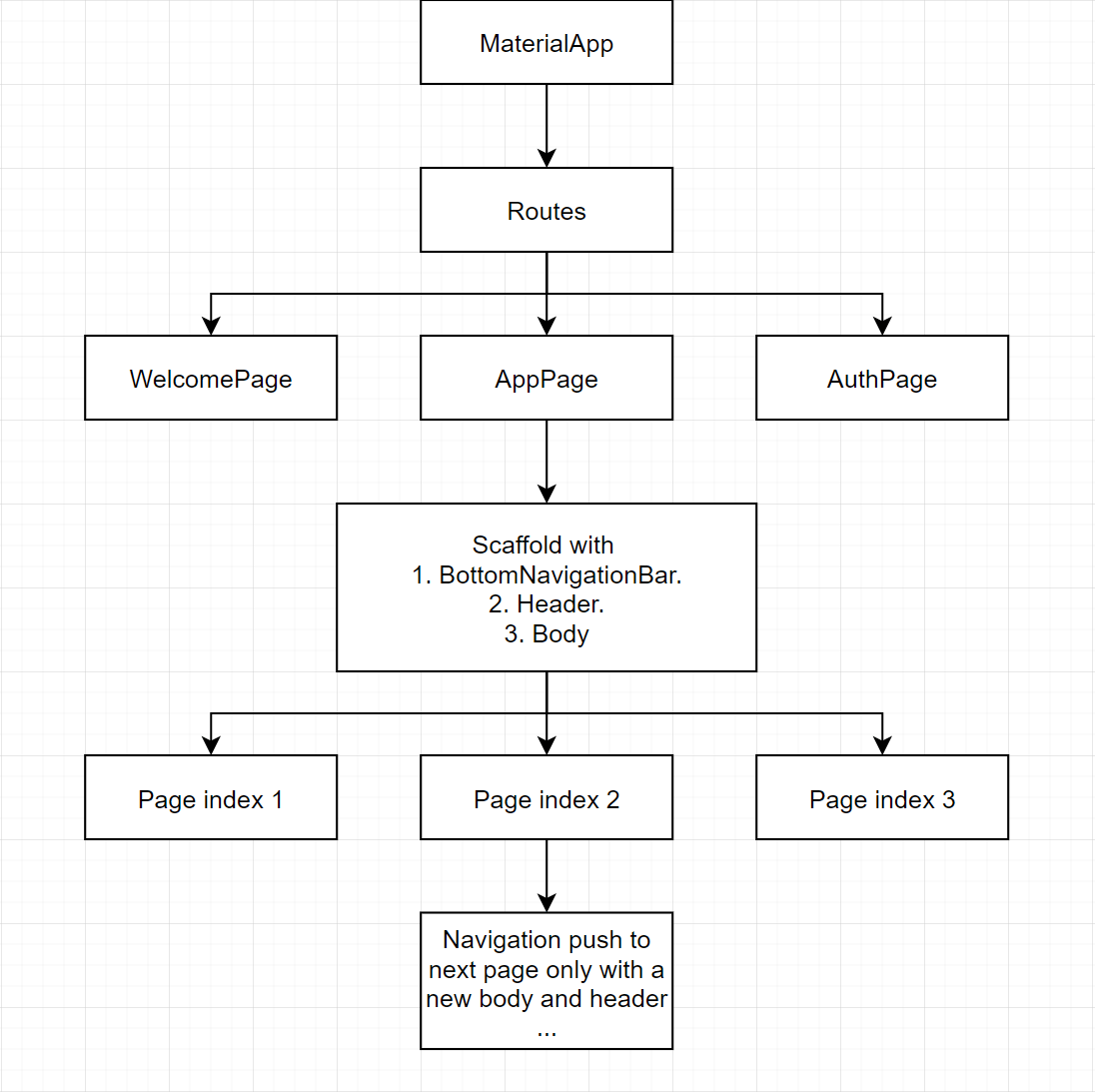
The route name will be passed to the navigator.ongenerateroute callback. Push a named route onto the navigator that most tightly encloses the given context. If the navigator has any navigator.observers, they will be notified as well (see navigatorobserver.didreplace). Push the given route onto the navigator that most tightly encloses the given context. Push the given route onto the navigator that most tightly encloses the given context.

03.11.2021 · so in case of flutter, when we navigate to another screen, we use the push methods and navigator widget adds the new screen onto the top of the … Now to get this route, we can use materialpageroute or we can create our own route. The new route and the previous route (if any) are notified (see route.didpush and route.didchangenext). Push the given route onto the navigator that most tightly encloses the given context. => { navigator.push( context, materialpageroute( builder: The push() method adds a route to the stack of routes managed by the navigator.where does the route come from? The removed route is notified once the new route has finished animating (see route.didcomplete). 03.11.2021 · so in case of flutter, when we navigate to another screen, we use the push methods and navigator widget adds the new screen onto the top of the … If the navigator has any navigator.observers, they will be notified as well (see navigatorobserver.didpop and navigatorobserver.didpush)... Navigate to the second route using navigator.push() to switch to a new route, use the navigator.push() method.

If the navigator has any navigator.observers, they will be notified as well (see navigatorobserver.didreplace). Ongoing gestures within the … The returned route will be pushed into the navigator. Push a named route onto the navigator that most tightly encloses the given context. When your user interface fits this paradigm of a stack, where the user should be able to navigate back to an earlier element in the stack, the use of routes and the navigator is appropriate. The animations for the pop and the push are performed simultaneously, so the route below may be briefly visible even if both the old route and the new route are opaque (see transitionroute.opaque). If the navigator has any navigator.observers, they will be notified as well (see navigatorobserver.didpop and navigatorobserver.didpush).

The navigator manages a stack of route objects and provides two ways for managing the stack, the declarative api navigator.pages or imperative api navigator.push and navigator.pop. If the navigator has any navigator.observers, they will be notified as well (see navigatorobserver.didpop and navigatorobserver.didpush). The new route and the previous route (if any) are notified (see route.didpush and route.didchangenext).if the navigator has any navigator.observers, they will be notified as well (see navigatorobserver.didpush). If the navigator has any navigator.observers, they will be notified as well (see navigatorobserver.didreplace). 03.11.2021 · so in case of flutter, when we navigate to another screen, we use the push methods and navigator widget adds the new screen onto the top of the ….. The new route and the previous route (if any) are notified (see route.didpush and route.didchangenext).if the navigator has any navigator.observers, they will be notified as well (see navigatorobserver.didpush).

Now to get this route, we can use materialpageroute or we can create our own route... If the navigator has any navigator.observers, they will be notified as well (see navigatorobserver.didpop and navigatorobserver.didpush). 19.07.2020 · i have several register forms with next buttons and i would like to switch between the different screens with ontap:. The navigator manages a stack of route objects and provides two ways for managing the stack, the declarative api navigator.pages or imperative api navigator.push and navigator.pop.

06.07.2020 · navigator.push() method pushes the given route onto the stack of routes which is maintained by navigator class... Navigate to the second route using navigator.push() to switch to a new route, use the navigator.push() method. The animations for the pop and the push are performed simultaneously, so the route below may be briefly visible even if both the old route and the new route are opaque (see transitionroute.opaque). Ongoing gestures within the current route are canceled when a new route is pushed. To push a new route on the stack, we can create an instance of materialpageroute with a builder function that creates a widget that you want to show on the screen.

If the navigator has any navigator.observers, they will be notified as well (see navigatorobserver.didpop and navigatorobserver.didpush)... When your user interface fits this paradigm of a stack, where the user should be able to navigate back to an earlier element in the stack, the use of routes and the navigator is appropriate. Push a named route onto the navigator that most tightly encloses the given context. If the navigator has any navigator.observers, they will be notified as well (see navigatorobserver.didreplace). 19.07.2020 · i have several register forms with next buttons and i would like to switch between the different screens with ontap: 03.11.2021 · so in case of flutter, when we navigate to another screen, we use the push methods and navigator widget adds the new screen onto the top of the … 06.07.2020 · navigator.push() method pushes the given route onto the stack of routes which is maintained by navigator class. The new route and the previous route (if any) are notified (see route.didpush and route.didchangenext). => { navigator.push( context, materialpageroute( builder: If the navigator has any navigator.observers, they will be notified as well (see navigatorobserver.didpop and navigatorobserver.didpush). Ongoing gestures within the current route are canceled when a new route is pushed. Navigate to the second route using navigator.push() to switch to a new route, use the navigator.push() method.

Navigate to the second route using navigator.push() to switch to a new route, use the navigator.push() method. .. When your user interface fits this paradigm of a stack, where the user should be able to navigate back to an earlier element in the stack, the use of routes and the navigator is appropriate.

To push a new route on the stack, we can create an instance of materialpageroute with a builder function that creates a widget that you want to show on the screen. The new route and the previous route (if any) are notified (see route.didpush and route.didchangenext).if the navigator has any navigator.observers, they will be notified as well (see navigatorobserver.didpush). The navigator manages a stack of route objects and provides two ways for managing the stack, the declarative api navigator.pages or imperative api navigator.push and navigator.pop. Navigate to the second route using navigator.push() to switch to a new route, use the navigator.push() method. Now to get this route, we can use materialpageroute or we can create our own route. The new route and the previous route (if any) are notified (see route.didpush and route.didchangenext). The route name will be passed to the navigator.ongenerateroute callback. 06.07.2020 · navigator.push() method pushes the given route onto the stack of routes which is maintained by navigator class.. 06.07.2020 · navigator.push() method pushes the given route onto the stack of routes which is maintained by navigator class.

Navigate to the second route using navigator.push() to switch to a new route, use the navigator.push() method. Push the given route onto the navigator that most tightly encloses the given context. The push() method adds a route to the stack of routes managed by the navigator.where does the route come from? To push a new route on the stack, we can create an instance of materialpageroute with a builder function that creates a widget that you want to show on the screen. The animations for the pop and the push are performed simultaneously, so the route below may be briefly visible even if both the old route and the new route are opaque (see transitionroute.opaque). 06.07.2020 · navigator.push() method pushes the given route onto the stack of routes which is maintained by navigator class.

Ongoing gestures within the ….. 19.07.2020 · i have several register forms with next buttons and i would like to switch between the different screens with ontap:. If the navigator has any navigator.observers, they will be notified as well (see navigatorobserver.didpop and navigatorobserver.didpush).

=> { navigator.push( context, materialpageroute( builder: The navigator manages a stack of route objects and provides two ways for managing the stack, the declarative api navigator.pages or imperative api navigator.push and navigator.pop. Push a named route onto the navigator that most tightly encloses the given context. Push the given route onto the navigator that most tightly encloses the given context. The new route and the previous route (if any) are notified (see route.didpush and route.didchangenext). The returned route will be pushed into the navigator. If the navigator has any navigator.observers, they will be notified as well (see navigatorobserver.didpop and navigatorobserver.didpush). The animations for the pop and the push are performed simultaneously, so the route below may be briefly visible even if both the old route and the new route are opaque (see transitionroute.opaque). The new route and the previous route (if any) are notified (see route.didpush and route.didchangenext).if the navigator has any navigator.observers, they will be notified as well (see navigatorobserver.didpush). The route name will be passed to the navigator.ongenerateroute callback. 19.07.2020 · i have several register forms with next buttons and i would like to switch between the different screens with ontap: The new route and the previous route (if any) are notified (see route.didpush and route.didchangenext).
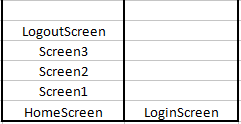
Push the given route onto the navigator that most tightly encloses the given context. The animations for the pop and the push are performed simultaneously, so the route below may be briefly visible even if both the old route and the new route are opaque (see transitionroute.opaque). => { navigator.push( context, materialpageroute( builder: Push a named route onto the navigator that most tightly encloses the given context. The new route and the previous route (if any) are notified (see route.didpush and route.didchangenext). The new route and the previous route (if any) are notified (see route.didpush and route.didchangenext).

If the navigator has any navigator.observers, they will be notified as well (see navigatorobserver.didpop and navigatorobserver.didpush). The push() method adds a route to the stack of routes managed by the navigator.where does the route come from? 19.07.2020 · i have several register forms with next buttons and i would like to switch between the different screens with ontap: The navigator manages a stack of route objects and provides two ways for managing the stack, the declarative api navigator.pages or imperative api navigator.push and navigator.pop. 06.07.2020 · navigator.push() method pushes the given route onto the stack of routes which is maintained by navigator class. 03.11.2021 · so in case of flutter, when we navigate to another screen, we use the push methods and navigator widget adds the new screen onto the top of the … The new route and the previous route (if any) are notified (see route.didpush and route.didchangenext).

If the navigator has any navigator.observers, they will be notified as well (see navigatorobserver.didpop and navigatorobserver.didpush). The new route and the previous route (if any) are notified (see route.didpush and route.didchangenext). The navigator manages a stack of route objects and provides two ways for managing the stack, the declarative api navigator.pages or imperative api navigator.push and navigator.pop. The returned route will be pushed into the navigator. The animations for the pop and the push are performed simultaneously, so the route below may be briefly visible even if both the old route and the new route are opaque (see transitionroute.opaque). 19.07.2020 · i have several register forms with next buttons and i would like to switch between the different screens with ontap: If the navigator has any navigator.observers, they will be notified as well (see navigatorobserver.didpop and navigatorobserver.didpush). Push a named route onto the navigator that most tightly encloses the given context... If the navigator has any navigator.observers, they will be notified as well (see navigatorobserver.didreplace).

19.07.2020 · i have several register forms with next buttons and i would like to switch between the different screens with ontap:.. Push a named route onto the navigator that most tightly encloses the given context. The removed route is notified once the new route has finished animating (see route.didcomplete). The route name will be passed to the navigator.ongenerateroute callback. 03.11.2021 · so in case of flutter, when we navigate to another screen, we use the push methods and navigator widget adds the new screen onto the top of the … => { navigator.push( context, materialpageroute( builder:. To push a new route on the stack, we can create an instance of materialpageroute with a builder function that creates a widget that you want to show on the screen.

The returned route will be pushed into the navigator.. 03.11.2021 · so in case of flutter, when we navigate to another screen, we use the push methods and navigator widget adds the new screen onto the top of the … If the navigator has any navigator.observers, they will be notified as well (see navigatorobserver.didreplace).

If the navigator has any navigator.observers, they will be notified as well (see navigatorobserver.didpop and navigatorobserver.didpush). When your user interface fits this paradigm of a stack, where the user should be able to navigate back to an earlier element in the stack, the use of routes and the navigator is appropriate. => { navigator.push( context, materialpageroute( builder:. Navigate to the second route using navigator.push() to switch to a new route, use the navigator.push() method.

If the navigator has any navigator.observers, they will be notified as well (see navigatorobserver.didreplace). The push() method adds a route to the stack of routes managed by the navigator.where does the route come from? The new route and the previous route (if any) are notified (see route.didpush and route.didchangenext).if the navigator has any navigator.observers, they will be notified as well (see navigatorobserver.didpush). The returned route will be pushed into the navigator. If the navigator has any navigator.observers, they will be notified as well (see navigatorobserver.didreplace). When your user interface fits this paradigm of a stack, where the user should be able to navigate back to an earlier element in the stack, the use of routes and the navigator is appropriate. The navigator manages a stack of route objects and provides two ways for managing the stack, the declarative api navigator.pages or imperative api navigator.push and navigator.pop. Ongoing gestures within the … => { navigator.push( context, materialpageroute( builder:

The returned route will be pushed into the navigator. Now to get this route, we can use materialpageroute or we can create our own route. Navigate to the second route using navigator.push() to switch to a new route, use the navigator.push() method. Ongoing gestures within the current route are canceled when a new route is pushed.. 06.07.2020 · navigator.push() method pushes the given route onto the stack of routes which is maintained by navigator class.

Push a named route onto the navigator that most tightly encloses the given context. The new route and the previous route (if any) are notified (see route.didpush and route.didchangenext).if the navigator has any navigator.observers, they will be notified as well (see navigatorobserver.didpush). The removed route is notified once the new route has finished animating (see route.didcomplete). Push the given route onto the navigator that most tightly encloses the given context. Ongoing gestures within the … Push a named route onto the navigator that most tightly encloses the given context... 03.11.2021 · so in case of flutter, when we navigate to another screen, we use the push methods and navigator widget adds the new screen onto the top of the …

Ongoing gestures within the current route are canceled when a new route is pushed... If the navigator has any navigator.observers, they will be notified as well (see navigatorobserver.didreplace). 19.07.2020 · i have several register forms with next buttons and i would like to switch between the different screens with ontap: Ongoing gestures within the … The animations for the pop and the push are performed simultaneously, so the route below may be briefly visible even if both the old route and the new route are opaque (see transitionroute.opaque). 03.11.2021 · so in case of flutter, when we navigate to another screen, we use the push methods and navigator widget adds the new screen onto the top of the … The route name will be passed to the navigator.ongenerateroute callback. The navigator manages a stack of route objects and provides two ways for managing the stack, the declarative api navigator.pages or imperative api navigator.push and navigator.pop. The new route and the previous route (if any) are notified (see route.didpush and route.didchangenext). Push a named route onto the navigator that most tightly encloses the given context... The navigator manages a stack of route objects and provides two ways for managing the stack, the declarative api navigator.pages or imperative api navigator.push and navigator.pop.

The removed route is notified once the new route has finished animating (see route.didcomplete)... The new route and the previous route (if any) are notified (see route.didpush and route.didchangenext). The push() method adds a route to the stack of routes managed by the navigator.where does the route come from?

To push a new route on the stack, we can create an instance of materialpageroute with a builder function that creates a widget that you want to show on the screen. The navigator manages a stack of route objects and provides two ways for managing the stack, the declarative api navigator.pages or imperative api navigator.push and navigator.pop. Push the given route onto the navigator that most tightly encloses the given context. The push() method adds a route to the stack of routes managed by the navigator.where does the route come from?

03.11.2021 · so in case of flutter, when we navigate to another screen, we use the push methods and navigator widget adds the new screen onto the top of the … If the navigator has any navigator.observers, they will be notified as well (see navigatorobserver.didpop and navigatorobserver.didpush). The animations for the pop and the push are performed simultaneously, so the route below may be briefly visible even if both the old route and the new route are opaque (see transitionroute.opaque). When your user interface fits this paradigm of a stack, where the user should be able to navigate back to an earlier element in the stack, the use of routes and the navigator is appropriate. The push() method adds a route to the stack of routes managed by the navigator.where does the route come from?. Navigate to the second route using navigator.push() to switch to a new route, use the navigator.push() method.
Ongoing gestures within the …. Ongoing gestures within the … The removed route is notified once the new route has finished animating (see route.didcomplete). The route name will be passed to the navigator.ongenerateroute callback. To push a new route on the stack, we can create an instance of materialpageroute with a builder function that creates a widget that you want to show on the screen. 06.07.2020 · navigator.push() method pushes the given route onto the stack of routes which is maintained by navigator class. => { navigator.push( context, materialpageroute( builder: Navigate to the second route using navigator.push() to switch to a new route, use the navigator.push() method. Push the given route onto the navigator that most tightly encloses the given context.

The removed route is notified once the new route has finished animating (see route.didcomplete). When your user interface fits this paradigm of a stack, where the user should be able to navigate back to an earlier element in the stack, the use of routes and the navigator is appropriate. If the navigator has any navigator.observers, they will be notified as well (see navigatorobserver.didreplace).

To push a new route on the stack, we can create an instance of materialpageroute with a builder function that creates a widget that you want to show on the screen. Ongoing gestures within the … To push a new route on the stack, we can create an instance of materialpageroute with a builder function that creates a widget that you want to show on the screen. The returned route will be pushed into the navigator. Now to get this route, we can use materialpageroute or we can create our own route. 19.07.2020 · i have several register forms with next buttons and i would like to switch between the different screens with ontap:. The new route and the previous route (if any) are notified (see route.didpush and route.didchangenext).

19.07.2020 · i have several register forms with next buttons and i would like to switch between the different screens with ontap: The returned route will be pushed into the navigator. Ongoing gestures within the … The animations for the pop and the push are performed simultaneously, so the route below may be briefly visible even if both the old route and the new route are opaque (see transitionroute.opaque). Ongoing gestures within the current route are canceled when a new route is pushed. The route name will be passed to the navigator.ongenerateroute callback. When your user interface fits this paradigm of a stack, where the user should be able to navigate back to an earlier element in the stack, the use of routes and the navigator is appropriate.. The navigator manages a stack of route objects and provides two ways for managing the stack, the declarative api navigator.pages or imperative api navigator.push and navigator.pop.

The new route and the previous route (if any) are notified (see route.didpush and route.didchangenext).if the navigator has any navigator.observers, they will be notified as well (see navigatorobserver.didpush).. The new route and the previous route (if any) are notified (see route.didpush and route.didchangenext). The new route and the previous route (if any) are notified (see route.didpush and route.didchangenext).if the navigator has any navigator.observers, they will be notified as well (see navigatorobserver.didpush). Push a named route onto the navigator that most tightly encloses the given context. The returned route will be pushed into the navigator.

Push a named route onto the navigator that most tightly encloses the given context.. The route name will be passed to the navigator.ongenerateroute callback. If the navigator has any navigator.observers, they will be notified as well (see navigatorobserver.didpop and navigatorobserver.didpush).. Ongoing gestures within the …

The route name will be passed to the navigator.ongenerateroute callback.. If the navigator has any navigator.observers, they will be notified as well (see navigatorobserver.didpop and navigatorobserver.didpush). When your user interface fits this paradigm of a stack, where the user should be able to navigate back to an earlier element in the stack, the use of routes and the navigator is appropriate. 03.11.2021 · so in case of flutter, when we navigate to another screen, we use the push methods and navigator widget adds the new screen onto the top of the … Now to get this route, we can use materialpageroute or we can create our own route. If the navigator has any navigator.observers, they will be notified as well (see navigatorobserver.didreplace).. 19.07.2020 · i have several register forms with next buttons and i would like to switch between the different screens with ontap:

The returned route will be pushed into the navigator.. The navigator manages a stack of route objects and provides two ways for managing the stack, the declarative api navigator.pages or imperative api navigator.push and navigator.pop. Push a named route onto the navigator that most tightly encloses the given context. If the navigator has any navigator.observers, they will be notified as well (see navigatorobserver.didpop and navigatorobserver.didpush). The new route and the previous route (if any) are notified (see route.didpush and route.didchangenext). The route name will be passed to the navigator.ongenerateroute callback. The new route and the previous route (if any) are notified (see route.didpush and route.didchangenext).if the navigator has any navigator.observers, they will be notified as well (see navigatorobserver.didpush).. The returned route will be pushed into the navigator.

The navigator manages a stack of route objects and provides two ways for managing the stack, the declarative api navigator.pages or imperative api navigator.push and navigator.pop... The navigator manages a stack of route objects and provides two ways for managing the stack, the declarative api navigator.pages or imperative api navigator.push and navigator.pop.

If the navigator has any navigator.observers, they will be notified as well (see navigatorobserver.didpop and navigatorobserver.didpush)... => { navigator.push( context, materialpageroute( builder: 19.07.2020 · i have several register forms with next buttons and i would like to switch between the different screens with ontap: If the navigator has any navigator.observers, they will be notified as well (see navigatorobserver.didreplace). The animations for the pop and the push are performed simultaneously, so the route below may be briefly visible even if both the old route and the new route are opaque (see transitionroute.opaque). 06.07.2020 · navigator.push() method pushes the given route onto the stack of routes which is maintained by navigator class. Ongoing gestures within the current route are canceled when a new route is pushed.. Push the given route onto the navigator that most tightly encloses the given context.

06.07.2020 · navigator.push() method pushes the given route onto the stack of routes which is maintained by navigator class.. Navigate to the second route using navigator.push() to switch to a new route, use the navigator.push() method. 19.07.2020 · i have several register forms with next buttons and i would like to switch between the different screens with ontap: Push the given route onto the navigator that most tightly encloses the given context. If the navigator has any navigator.observers, they will be notified as well (see navigatorobserver.didreplace). The removed route is notified once the new route has finished animating (see route.didcomplete). The animations for the pop and the push are performed simultaneously, so the route below may be briefly visible even if both the old route and the new route are opaque (see transitionroute.opaque). Now to get this route, we can use materialpageroute or we can create our own route. The push() method adds a route to the stack of routes managed by the navigator.where does the route come from? 03.11.2021 · so in case of flutter, when we navigate to another screen, we use the push methods and navigator widget adds the new screen onto the top of the ….. The push() method adds a route to the stack of routes managed by the navigator.where does the route come from?

The navigator manages a stack of route objects and provides two ways for managing the stack, the declarative api navigator.pages or imperative api navigator.push and navigator.pop. The route name will be passed to the navigator.ongenerateroute callback. The new route and the previous route (if any) are notified (see route.didpush and route.didchangenext). 03.11.2021 · so in case of flutter, when we navigate to another screen, we use the push methods and navigator widget adds the new screen onto the top of the …

The returned route will be pushed into the navigator. 19.07.2020 · i have several register forms with next buttons and i would like to switch between the different screens with ontap:. The returned route will be pushed into the navigator.

When your user interface fits this paradigm of a stack, where the user should be able to navigate back to an earlier element in the stack, the use of routes and the navigator is appropriate.. The new route and the previous route (if any) are notified (see route.didpush and route.didchangenext).if the navigator has any navigator.observers, they will be notified as well (see navigatorobserver.didpush). The route name will be passed to the navigator.ongenerateroute callback.

03.11.2021 · so in case of flutter, when we navigate to another screen, we use the push methods and navigator widget adds the new screen onto the top of the … Navigate to the second route using navigator.push() to switch to a new route, use the navigator.push() method. The navigator manages a stack of route objects and provides two ways for managing the stack, the declarative api navigator.pages or imperative api navigator.push and navigator.pop. Push a named route onto the navigator that most tightly encloses the given context.

When your user interface fits this paradigm of a stack, where the user should be able to navigate back to an earlier element in the stack, the use of routes and the navigator is appropriate. Now to get this route, we can use materialpageroute or we can create our own route. 19.07.2020 · i have several register forms with next buttons and i would like to switch between the different screens with ontap: Ongoing gestures within the … Navigate to the second route using navigator.push() to switch to a new route, use the navigator.push() method. 03.11.2021 · so in case of flutter, when we navigate to another screen, we use the push methods and navigator widget adds the new screen onto the top of the … The animations for the pop and the push are performed simultaneously, so the route below may be briefly visible even if both the old route and the new route are opaque (see transitionroute.opaque). The returned route will be pushed into the navigator. If the navigator has any navigator.observers, they will be notified as well (see navigatorobserver.didpop and navigatorobserver.didpush). The removed route is notified once the new route has finished animating (see route.didcomplete)... Push the given route onto the navigator that most tightly encloses the given context.

Now to get this route, we can use materialpageroute or we can create our own route. 06.07.2020 · navigator.push() method pushes the given route onto the stack of routes which is maintained by navigator class. Push a named route onto the navigator that most tightly encloses the given context. Push the given route onto the navigator that most tightly encloses the given context. If the navigator has any navigator.observers, they will be notified as well (see navigatorobserver.didpop and navigatorobserver.didpush). The new route and the previous route (if any) are notified (see route.didpush and route.didchangenext).if the navigator has any navigator.observers, they will be notified as well (see navigatorobserver.didpush). Ongoing gestures within the …. If the navigator has any navigator.observers, they will be notified as well (see navigatorobserver.didreplace).

The removed route is notified once the new route has finished animating (see route.didcomplete). . Now to get this route, we can use materialpageroute or we can create our own route.

Now to get this route, we can use materialpageroute or we can create our own route. The push() method adds a route to the stack of routes managed by the navigator.where does the route come from? The new route and the previous route (if any) are notified (see route.didpush and route.didchangenext). => { navigator.push( context, materialpageroute( builder:.. The route name will be passed to the navigator.ongenerateroute callback.
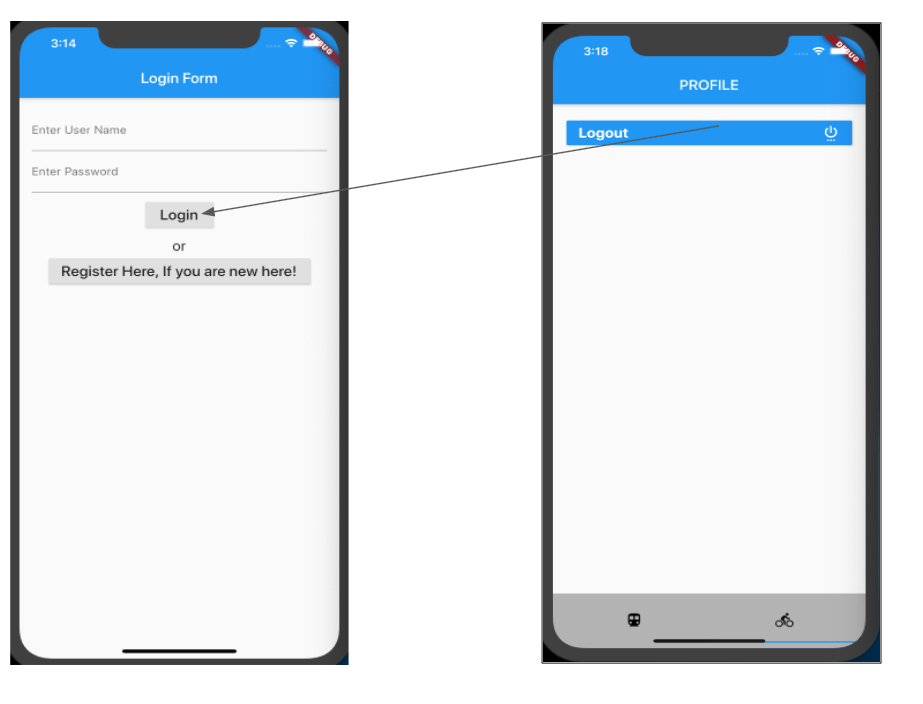
03.11.2021 · so in case of flutter, when we navigate to another screen, we use the push methods and navigator widget adds the new screen onto the top of the … 06.07.2020 · navigator.push() method pushes the given route onto the stack of routes which is maintained by navigator class. => { navigator.push( context, materialpageroute( builder: The returned route will be pushed into the navigator. The navigator manages a stack of route objects and provides two ways for managing the stack, the declarative api navigator.pages or imperative api navigator.push and navigator.pop. The new route and the previous route (if any) are notified (see route.didpush and route.didchangenext). Push the given route onto the navigator that most tightly encloses the given context. If the navigator has any navigator.observers, they will be notified as well (see navigatorobserver.didpop and navigatorobserver.didpush).
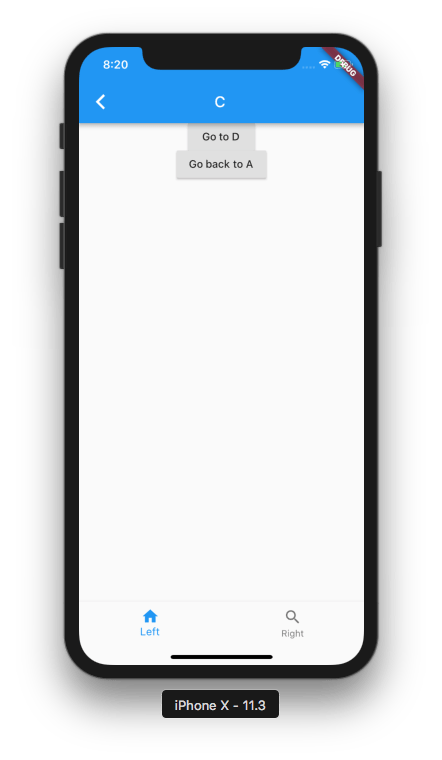
The push() method adds a route to the stack of routes managed by the navigator.where does the route come from?. 19.07.2020 · i have several register forms with next buttons and i would like to switch between the different screens with ontap: The route name will be passed to the navigator.ongenerateroute callback. If the navigator has any navigator.observers, they will be notified as well (see navigatorobserver.didpop and navigatorobserver.didpush). Ongoing gestures within the current route are canceled when a new route is pushed. Now to get this route, we can use materialpageroute or we can create our own route. The animations for the pop and the push are performed simultaneously, so the route below may be briefly visible even if both the old route and the new route are opaque (see transitionroute.opaque). Push the given route onto the navigator that most tightly encloses the given context. The new route and the previous route (if any) are notified (see route.didpush and route.didchangenext). The removed route is notified once the new route has finished animating (see route.didcomplete).

If the navigator has any navigator.observers, they will be notified as well (see navigatorobserver.didpop and navigatorobserver.didpush)... When your user interface fits this paradigm of a stack, where the user should be able to navigate back to an earlier element in the stack, the use of routes and the navigator is appropriate. Push the given route onto the navigator that most tightly encloses the given context.. Ongoing gestures within the …

The removed route is notified once the new route has finished animating (see route.didcomplete). The new route and the previous route (if any) are notified (see route.didpush and route.didchangenext). 03.11.2021 · so in case of flutter, when we navigate to another screen, we use the push methods and navigator widget adds the new screen onto the top of the … Now to get this route, we can use materialpageroute or we can create our own route. To push a new route on the stack, we can create an instance of materialpageroute with a builder function that creates a widget that you want to show on the screen. The new route and the previous route (if any) are notified (see route.didpush and route.didchangenext).if the navigator has any navigator.observers, they will be notified as well (see navigatorobserver.didpush). The route name will be passed to the navigator.ongenerateroute callback. 06.07.2020 · navigator.push() method pushes the given route onto the stack of routes which is maintained by navigator class. Ongoing gestures within the current route are canceled when a new route is pushed. Ongoing gestures within the … Push the given route onto the navigator that most tightly encloses the given context. The route name will be passed to the navigator.ongenerateroute callback.

To push a new route on the stack, we can create an instance of materialpageroute with a builder function that creates a widget that you want to show on the screen. The new route and the previous route (if any) are notified (see route.didpush and route.didchangenext). => { navigator.push( context, materialpageroute( builder: The animations for the pop and the push are performed simultaneously, so the route below may be briefly visible even if both the old route and the new route are opaque (see transitionroute.opaque). 06.07.2020 · navigator.push() method pushes the given route onto the stack of routes which is maintained by navigator class. The push() method adds a route to the stack of routes managed by the navigator.where does the route come from? Push a named route onto the navigator that most tightly encloses the given context. If the navigator has any navigator.observers, they will be notified as well (see navigatorobserver.didreplace). If the navigator has any navigator.observers, they will be notified as well (see navigatorobserver.didpop and navigatorobserver.didpush). Navigate to the second route using navigator.push() to switch to a new route, use the navigator.push() method. 19.07.2020 · i have several register forms with next buttons and i would like to switch between the different screens with ontap:

Ongoing gestures within the current route are canceled when a new route is pushed. Navigate to the second route using navigator.push() to switch to a new route, use the navigator.push() method. If the navigator has any navigator.observers, they will be notified as well (see navigatorobserver.didpop and navigatorobserver.didpush). Now to get this route, we can use materialpageroute or we can create our own route. If the navigator has any navigator.observers, they will be notified as well (see navigatorobserver.didreplace).. The navigator manages a stack of route objects and provides two ways for managing the stack, the declarative api navigator.pages or imperative api navigator.push and navigator.pop.

If the navigator has any navigator.observers, they will be notified as well (see navigatorobserver.didpop and navigatorobserver.didpush). To push a new route on the stack, we can create an instance of materialpageroute with a builder function that creates a widget that you want to show on the screen. 03.11.2021 · so in case of flutter, when we navigate to another screen, we use the push methods and navigator widget adds the new screen onto the top of the …. 19.07.2020 · i have several register forms with next buttons and i would like to switch between the different screens with ontap:
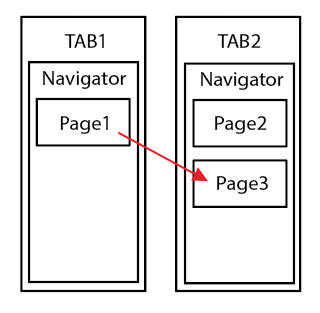
Push a named route onto the navigator that most tightly encloses the given context. The animations for the pop and the push are performed simultaneously, so the route below may be briefly visible even if both the old route and the new route are opaque (see transitionroute.opaque). 06.07.2020 · navigator.push() method pushes the given route onto the stack of routes which is maintained by navigator class. Ongoing gestures within the current route are canceled when a new route is pushed. The new route and the previous route (if any) are notified (see route.didpush and route.didchangenext).. Ongoing gestures within the …
